



Since the State Ballet School has very restrictive Wi-Fi access, logging in via a standard Wi-Fi QR code is not possible for any user. Due to firewall settings, only registered users can access the network, meaning that, unusually, a username must be entered for login. Therefore, manual login is required via direct text input. This can be done quickly using copy and paste. This text file is available via the QR code.
Author: werbit
-
BOOK STORES
Einar & Bert Theaterbuchhandlung
Winsstraße 72, 10405 Berlin
https://www.genialokal.de/buchhandlung/berlin-prenzlauer-berg/theaterderzeitBücherbogen am Savignyplatz
Savignyplatz, Stadtbahnbogen 593, 10623 Berlin
architecture, art, photography, design, film, dance
https://www.buecherbogen.com -
DANCE WEAR / SHOES
Hacke & Spitze
Zossener Str. 32, 10961 Berlin
https://hackeundspitze.dePro Danse
Alte Schönhauser Straße 16, 10119 Berlin
https://prodanse-shop.de -
CAFÉS
Café Goldstück, Erich-Weinert-Str.128, 10409
Café Eckstern, Sodtkestraße 20, 10409 Berlin
Café la Porte – die drei Engel, Erich-Weinert-Str.129, 10409
Bäckerei & Café Durban, Erich-Weinert-Str.129, 10409
-
tanzraumberlin.de
Where is Berlin heading? The Tanzbüro Berlin website, tanzraumberlin.de, provides a broad overview of the city’s contemporary dance scene and information on important topics and dates.
https://www.tanzraumberlin.de -
DANCE ARCHIVES
Akademie der Künste https://www.adk.de/de/archiv/index.htm
Internationales Theaterinstitut / Mime Centrum Berlin / Mediathek https://archiv.mimecentrum.de
-
DANCE in Berlin
Staatsballett / Staatsoper Unter den Linden, Unter den Linden 7, 10117 Berlin
Deutsche Oper Berlin, Bismarckstraße 35, 10627 Berlin
HAU Hebbel am Ufer https://www.hebbel-am-ufer.de
Radialsystem https://www.radialsystem.de
Uferstudios https://www.uferstudios.com
Sophiensaele https://sophiensaele.com/de
Tanzfabrik Berlin https://www.tanzfabrik-berlin.de
Dock11Eden https://dock11-berlin.de
-
Constanze Schellow
Dr. Constanze Schellow is Professor of Cultures of Knowledge and Mediation in Dance at the Center for Contemporary Dance/University of Music and Dance Cologne. She teaches in the BA Dance, MA Dance Studies, and MA Mediation in Dance programs. In her artistic and scholarly research, she develops interdisciplinary formats to examine the layers and complexities of body-based and body-related cultures and economies of knowledge, with a focus on the networks of relationships and interdependences between dance and other fields of practice. In 2016, her work was awarded the Dance Studies Prize NRW. She has collaborated dramaturgically with e.g. Eva Meyer-Keller, Simone Aughterlony, and Doris Uhlich. Since 2024 Constanze is first speaker of the AK|T – Ausbildungskonferenz Tanz Deutschland.
-
Building bridges, create togetherness
A co-creative gathering with deep talks and playgrounds
How we change through and with dance? How dance changes us? (How) do we change dance? (How) can dance change society?
The world of dance has become incredibly diverse in recent decades, diversifying into various scenes and styles. The very concept of dance has broadened, and a wide range of approaches within dance and across different dance communities exist with great vitality, often coexisting alongside one another. This phenomenon of living in “bubbles” also affects dance artists of all disciplines.
In light of this coexistence, as well as major global and national societal developments, it is crucial to raise awareness of the need for cohesion, understanding, and solidarity, especially among dance professionals.
Therefore, we want to create a space for one day where inspiration and curiosity can flourish freely, and where we can practice non-judgmental perception and thus mutual understanding. An imaginative parcours with various stations leads through the rooms of the State Ballet School, bringing students and teachers together in joint activities and playful collaborations. In the subsequent discussion, we will delve deeper into questions of personal, aesthetic, and societal transformation—in and through the art form of dance.More of a co-creative gathering than a traditional symposium, the event invites students and teachers, guests and hosts, to engage in an exchange that is both serious and lighthearted—verbal, mental, physical, and energetic.
With: Arthur Bouilliol, Marguerite Donlon, Rémy Fichet, Nicholas Palmquist, Marek Rozycki, and the team of the State Ballet School Berlin, as well as Anne Schneider, Monica Gillette, Elisabeth Nehring, and others.
Concept: Elisabeth Nehring -
Elisabeth Nehring
Dr. Elisabeth Nehring has worked as a freelance journalist and critic for regional and national broadcasters (including Deutschlandfunk, Deutschlandfunk Kultur, and WDR) as well as print and online media since 1999. Her moderation work includes public discussions on dance and cultural policy, as well as providing support and guidance for projects and processes within the cultural sector. Since 2019, she has also headed the Mecklenburg-Vorpommern Dance Center. In 2018, she co-directed and coordinated the Berlin Dance Roundtable, a participatory process with broad involvement from cultural policymakers, administrators, and dance experts, aimed at developing a sustainable concept for dance in Berlin. She is a founding member of various dance networks (including Tanz weit draußen) and serves on several juries.
-
Mehmet Yumak
Mehmet Yumak was born in Augsburg 1980. He trained at the Istanbul University State Conservatory (1990-1998) and, until the end of his studies, at the John-Cranko-Ballettakademie in Stuttgart under Petr Pestov. Working as a ballet dancer prior to engagements with the ballet of the Staatsoper Hannover, the Theater Krefeld Mönchengladbach and the National Ballet of Portugal. In 2007, he became a member of the Staatsballett Berlin and remained with the company until 2019. He received his qualifications as a fitness and personal trainer in 2017 and as a Pilates trainer in 2021. Since 2017, Mehmet Yumak has been part of the Staatsballett Berlin’s health department, contributing his experience via special conditioning training.
-
Katharina Wunderlich
Katharina Wunderlich began her career in the theatre Kiel, then danced at the Hannover State Opera and worked with many choreographers such as Mats Ek, Stefan Thoss, Yuki Mori, Felix Landerer and Omar Rajeh. She traveled with several productions around the globe to Zimbabwe, Mexico, Guatemala, Siberia, Netherlands, Switzerland, USA and numerous German theaters. In collaboration with the musician Caroline Wunderlich she created her own choreographies, that got invited to many festivals. Katharina is the main protagonist of the movie Homo Deus, awarded as Best Experimental Short Film at the New York World Film Festival 2020. As a teacher she developed intercultural dance projects for visually impaired children and educates young dancers at the Berlin State Ballet School.
-
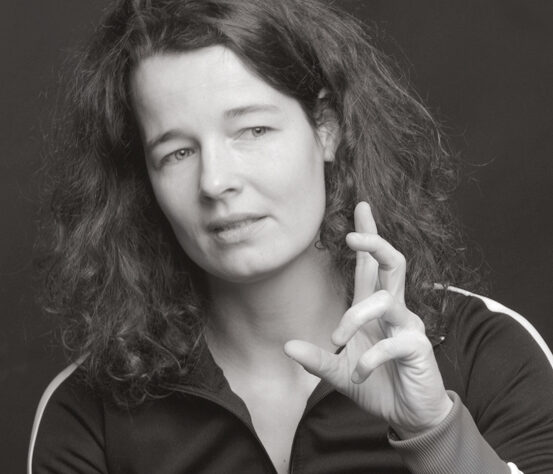
Vera Sander
Vera Sander is Professor of Contemporary Dance at the ZZT/HfMT Cologne and has played a key role in its development as director, teacher, editor and organizer. Choreographer, dancer or lecturer at Tanzforum Köln, Dansgroep Krisztina de Chatel, Itzik Galili, Semperoper Dresden, DV8, Adventures in Motion Pictures, verasanderartconnects, a.o.. Director and/or choreographer of the 5th Dance Education Biennale, the Atlas-Workshops (DAAD project to promote cultural dialog with the Islamic world), in “Signifying Ghosts” (German Federal Cultural Foundation in TURN – Fund for Cooperation between Germany and African countries), the DAAD-funded Erasmus+ project RELAY. Current artistic works “Presence through Absence” deal with the phenomenon of absence.
-
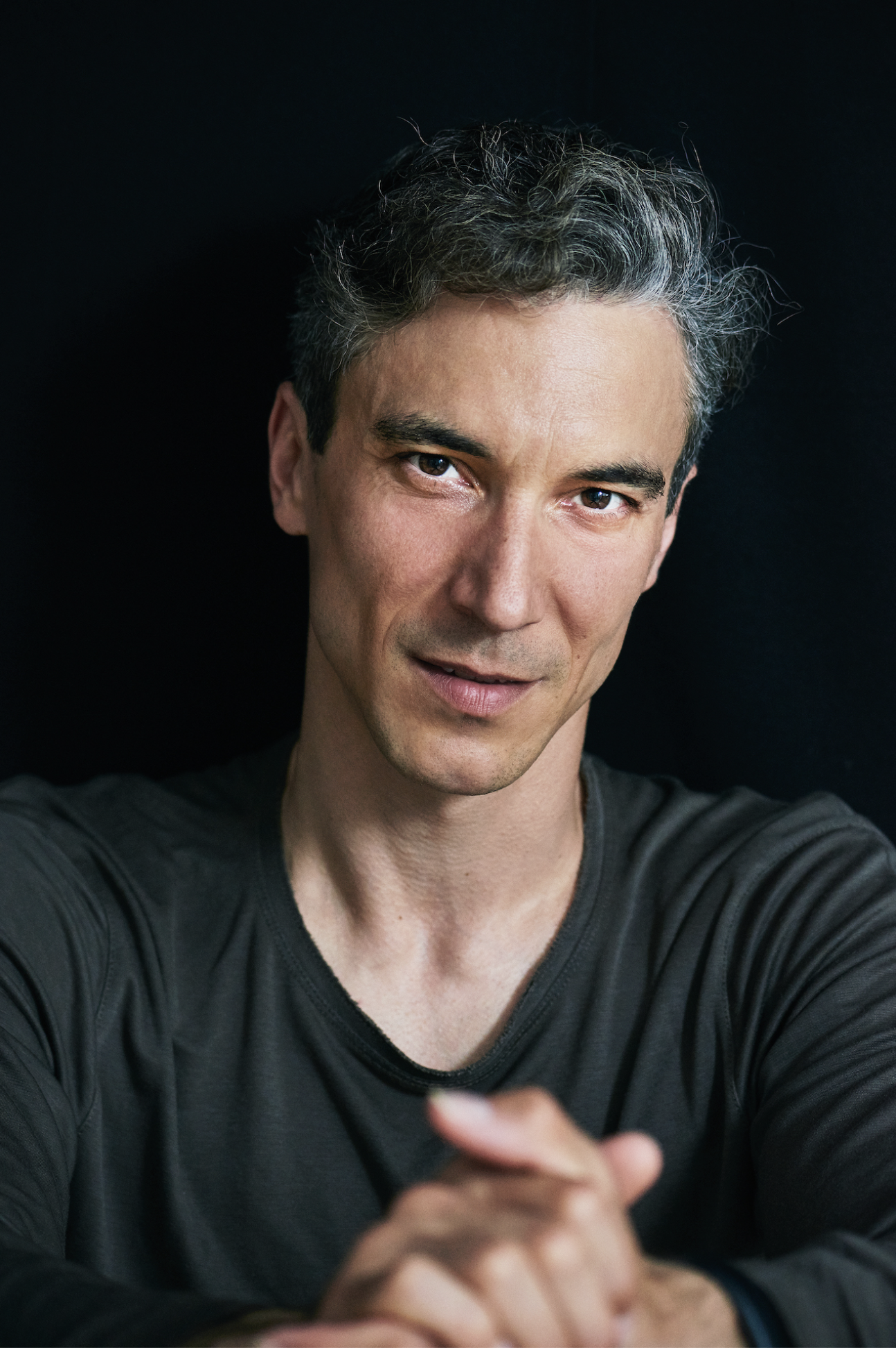
Jens Weber
Prof. Jens Weber was born in Berlin, where he completed his dance studies at the Berlin State Ballet School. After graduating, he joined the ballet company of the Staatsoper Unter den Linden. Weber has been engaged by numerous international ballet companies, including the Zurich Ballet, the Queensland Ballet (Australia), Les Ballets de Monte Carlo, the Víctor Ullate Ballet-Comunidad de Madrid and Morphoses (New York City). Subsequently, he studied acting in New York City, Los Angeles and Berlin. Furthermore, he worked as a rehearsal director and assistant at the Augsburg State Theatre and the Plauen-Zwickau Theatre. In September 2021, Jens Weber was appointed professor of classical dance at the Folkwang University of the Arts.
-
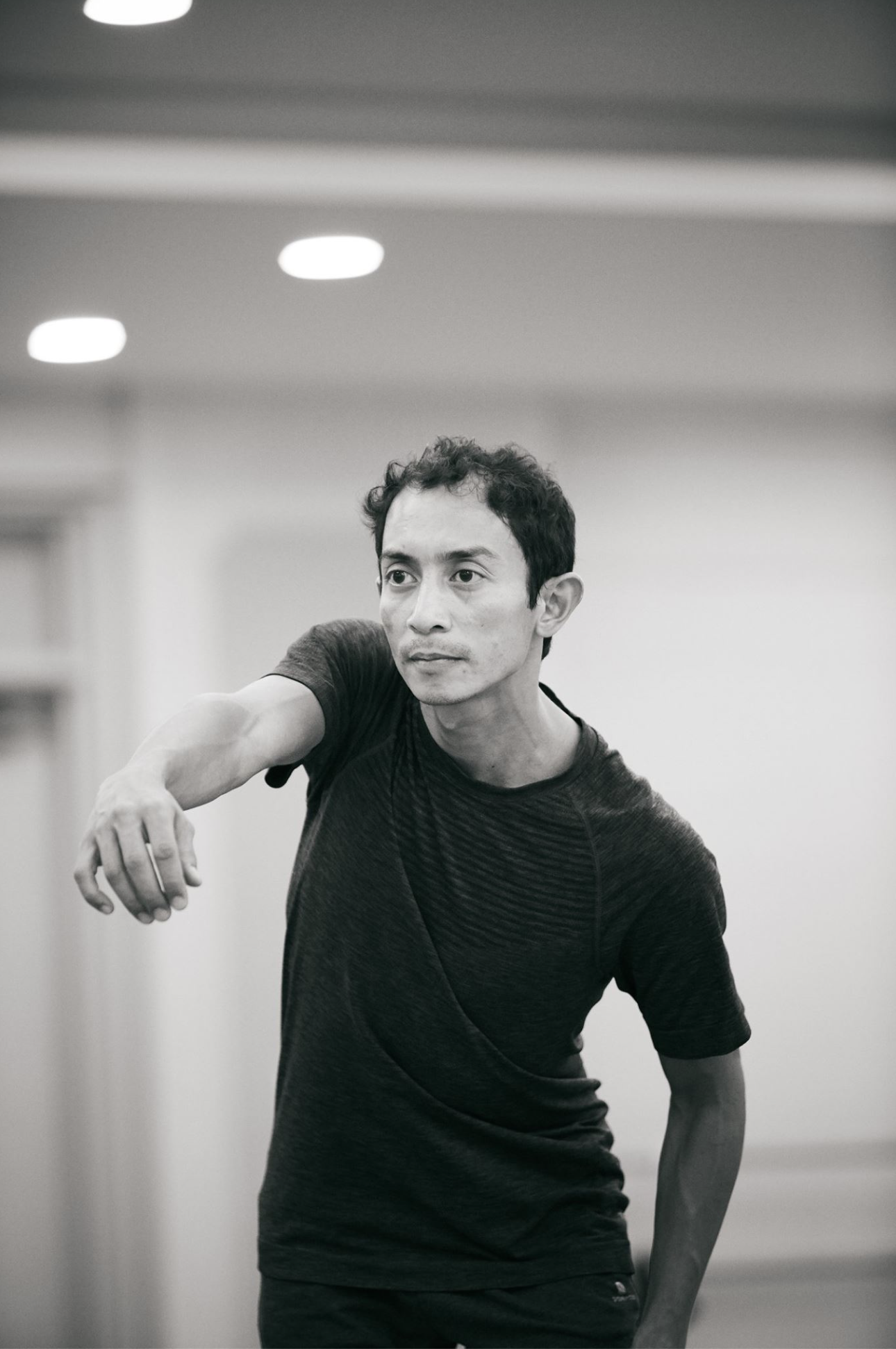
David Russo
David is a dancer, choreographer, and dance educator. After training at the J. Cranko School, he was a soloist with the Saarland State Theater, the Staatstheater am Gärtnerplatz, and the Teatro Nuovo di Torino. Since 2004 he has created works for the Birgit Keil Foundation, Ballet Philippines, Universal Ballet Seoul, and Ballet Dortmund. In Munich, he initiates collaborative evenings and transdisciplinary performances. In 2010 he completed postgraduate studies in ballet pedagogy and has since taught at the Ballet Academy Munich, where he is responsible for classical and contemporary dance, choreography, and the bachelor’s program. In 2020 he helped develop the Academy’s new pedagogical concept. In 2019 he founded TanzQuelle to support Munich’s dance community.
-
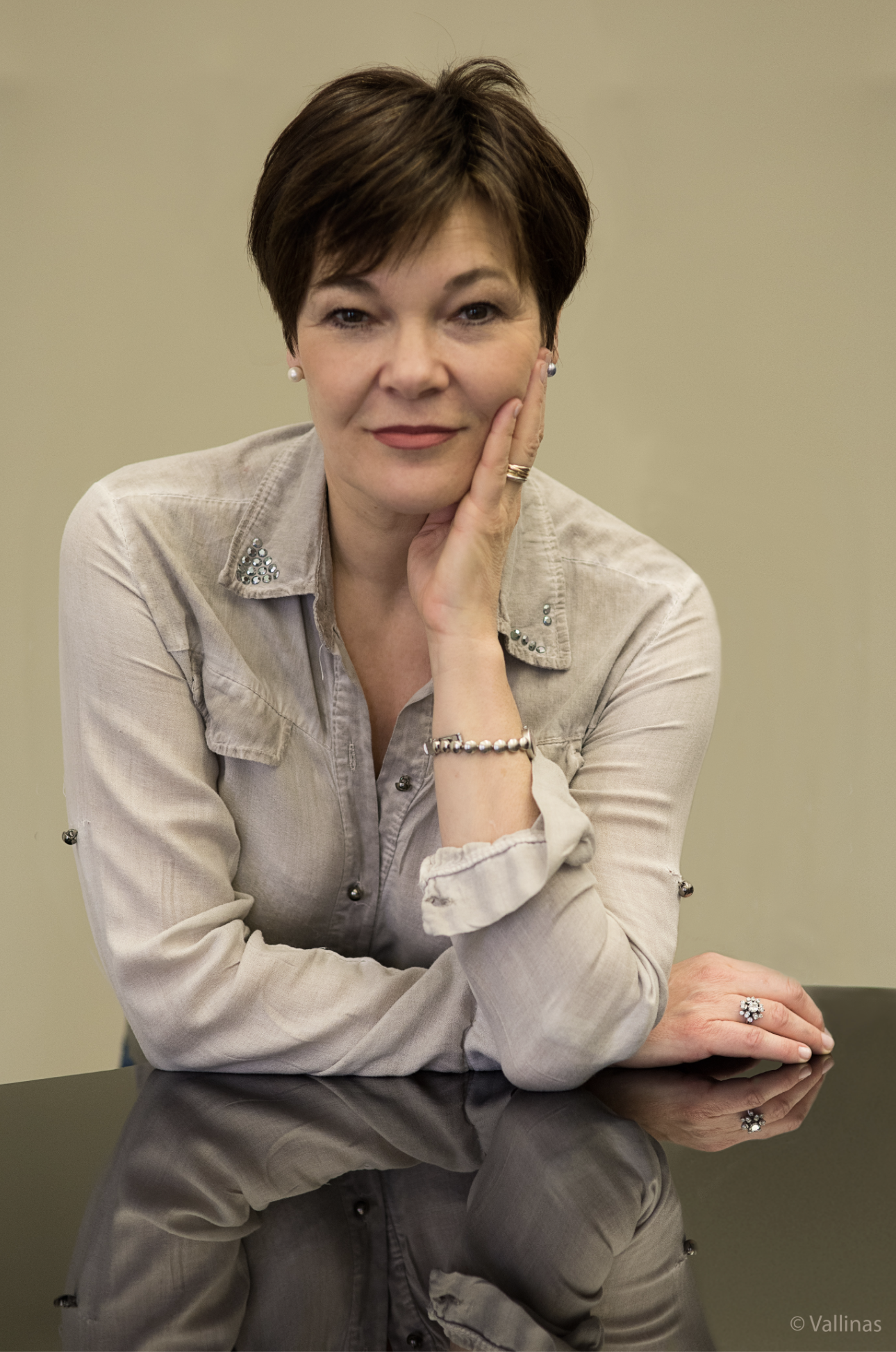
Agnes Noltenius
Agnes Noltenius has been Artistic Director of the Academy of Dance at the University of Music and Performing Arts Mannheim since 2020. She was a rehearsal director for Forsythe Productions and also works as a certified Pilates instructor. She began her training at the renowned Paris Opera School, where she danced for eight years. She then joined the Ballet du Rhin in Strasbourg. There she worked with dance greats such as Rudolf Nureyev and Maia Plissetskaya. In 1989, she met William Forsythe and became a member of the Frankfurt Ballet. She remained with the company until 2002. Afterward, she concentrated on teaching, Forsythe’s repertoire, and improvisational techniques. She stages his works worldwide and is a sought-after guest teacher. Her book “DETAIL–FORSYTHE” was published in 2003.
-
Stability from the legs up – A Dance Medicine guide to leg alignment
With Liane Simmel
Wednesday, 4.February 14:30 – 16:00 Open to interested educators and guests, Studio 3
(e.g., physiotherapists from other schools)Ever wondered why one student finds balancing hard, or why another seems to never get the correct alignment in demi plié? Ever heard of the four different types of Turnout? In cooperation with Health Teams from German Dance Institutions and in line with international dance medical guidelines this interactive workshop will support you in how to deal with common leg alignment issues. It dives deeper into the biomechanics of the lower extremities, gives tips for supportive corrections, and explains why and how with only small changes we can make long-term gains. In our world of being accountable for the next generation of young dancers it is our responsibility to do everything possible to protect and care for them. By integrating a dance medical approach into your teaching, you will be playing a vital role in injury prevention. Come and join 90 minutes of individual assessment, practical application, and discussion!
-
Fake news or fact? – Knowledge from dance medicine
With Liane Simmel
Wednesday, 4.February 11:00 – 12:30, Studio 3Dance is shaped by traditions. In many dance styles, training structures, training methods, and training techniques are passed down from generation to generation, with the knowledge imparted based on historical experience. However, not all beliefs stand up to scrutiny. Which are traditional myths and which are reliable, perhaps even scientifically proven facts? Dance medicine can help to uncover dangerous half-truths, question cherished habits and optimise daily dance training – based on the current state of knowledge in dance medicine and for the benefit of dancers’ health. Bring your curiosity and scepticism to the workshop!
-
MA_Workshop: Fit for dance? – Assess yourself
With Liane Simmel
Thursday, 5.February 11:00 – 12:30 & 14:30-15:30, Studio 3Flexible dancers like to stretch, elastic dancers love to jump, and almost everyone has a good side when it comes to turns. We prefer to do what comes easily to us in training, focus more on it and thus often increase an already existing imbalance. But where are my individual strengths and weaknesses? What should I train specifically to be fit and versatile? This workshop provides an insight into a dance medicine screening with various stations to try out. Warning: you will work up a sweat! Based on the results, individual training focuses will be developed in the afternoon and tips will be given for creating your own training plan. Because only when I am familiar with my strengths and weaknesses can I deal with them in a targeted manner and work comprehensively on my fitness. (The dance medicine screening was developed in cooperation with Marlen Schumann, dance athletics trainer.)
-
Liane Simmel
Dr. Liane Simmel is a sports medicine doctor, osteopath, and sports psychology coach. She worked as a dancer for over three decades. Today, she is a practicing dance medicine doctor with her own practice in Munich and heads the “Fit for Dance” Institute for Dance Medicine. She is a lecturer in dance medicine and is active throughout Europe for the health of dancers. As the initiator and long-time board member of ta.med e.V., the German-speaking dance medicine organization, she has significantly influenced its establishment and development. Her books “Dance Medicine in Practice” and “Nutrition for Dancers” have been published in several languages and have established themselves as standard works in dance medicine. For her pioneering work in dance medicine, she was awarded the German Dance Prize Recognition Award.
-
MA_Workshop: Benesh Movement Notation
Wednesday, 4.February 11:00 – 12:30 & 14:30-16:00 R 221
This workshop provides master’s students with a thorough introduction to Benesh Movement Notation, its historical origins, theoretical foundations, and practical application. In discussion and exchange with the lecturer, movement notations will be explored and critically reflected upon.
-
Marzena Sobanska-Höltz
Ms. Sobanska-Höltz was born in Warsaw in 1958. After graduating from ballet school in 1977, she was engaged at the Warsaw Opera House, while simultaneously studying ballet pedagogy at the Music Academy. After participating in several national and international ballet competitions, she was appointed principal dancer at the Warsaw Opera House in 1979. In 1982, she joined the ballet of the Deutsche Oper Berlin. In 1994, she studied Benesh Movement Notation in London and in 1995, she took over the position of choreologist at the DOB ballet. Since 2004, she has been choreologist and ballet mistress at the Berlin State Ballet. In 25 years of working as a choreologist, she has notated numerous ballets by choreographers such as Patrice Bart, Peter Schaufuss, Jiri Kilian, Ray Barra, William Forsythe, and others. She has been retired since 2021.
-
MA_Workshop: Moderation Feedback Round
With Sven Seidelmann & Edna Azevedo
Tuesday, 3.February 10:30 – 11:30 R 111
Wednesday, 4.February 17:15 – 18:00 Cool down, Gabriele Rolle Theatersaal
on a voluntary basis for BA and MA – relaxationThe „Cool‑Down” class is designed for dancers at the conclusion of an intensive workshopday during the Dance Education Biennale. Its purpose is to provide a mindful balance to the physical and mental demands of the day. The session is based on Vinyasa Yoga, a technique in which movement sequences are coordinated with the breath. The flowing transitions between postures enhance body awareness, movement control, and muscular integration – qualities that are particularly beneficial for dancers. Additionally, Vinyasa Yoga promotes stress reduction by integrating breathing, focus, and relaxation. The class concludes with a phase of deep rest (Shavasana), allowing the body to calm down and recover.
-
FLASHMOB
With Nicholas Palmquist at Humboldt Forum
Saturday, 7.February 11:00 – 13:00 training + rehearsal
14:00 – 14:45 public rehearsal
15:00 1. performance
16:00 2. performance
17:00 – 18:00 travel Humboldt Forum –> SBBThis work and workshop explore the tension between feeling unique and feeling alone. At times it can be clear and inspiring to see yourself apart from your peers and environment; pushing you toward a greatness only you can visualize. Other times, doubt can turn this from a calling to a feeling of isolation and loneliness. This music and the interpretation of this tension will build the dynamics, musicality and inspiration for self-expression from the dancers and will encourage their inherent differences to define the piece as something special and one of a kind.
-
Nicholas Palmquist
Nicholas Palmquist is an internationally recognized teacher and choreographer. As a freelance dancer in NYC, his work spans films like In The Heights, SNL, The Tonight Show, and Netflix series, plus live shows with American Dance Machine, the Tony Awards, and Radio City Rockettes. He’s been featured in Vogue, Dance Magazine, Pointe, Numero China, and brands like Kenzo, Nordstrom, and Zalando. Nicholas has taught masterclasses with Juilliard, ABT, Mozarteum Salzburg, and Orsolina 28. Known for his genre-bending style, he teaches worldwide—in Italy, France, Japan, Brazil, and more. He’s created work with Semperoper Ballett, Ballett x Schwerin, and Palucca University, and taught at Staatsballett Berlin. Learn from him online via The Art of Teaching Dance.
-
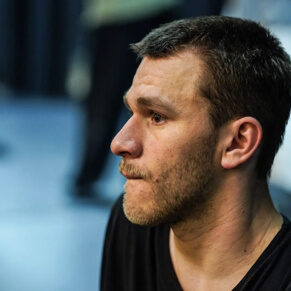
Komoco workshop
The KC Workshop welcomes professional dancers and movers from diverse backgrounds into KOMOCO’s movement language—a practice that merges precision with creative freedom. Through the Kreaturistic Character (KC) approach, participants reconnect with their instinctive nature, using precision as an anchor for awareness, not a constraint. Guided improvisations, sensorial explorations, and physical games lead dancers to the edge of control and surrender, where expression emerges. The body becomes both instrument and storyteller. The workshop culminates in learning and sharing excerpts from the KC repertoire. KOMOCO has shared this practice worldwide, fostering a global dialogue of movement and artistic transformation.
-
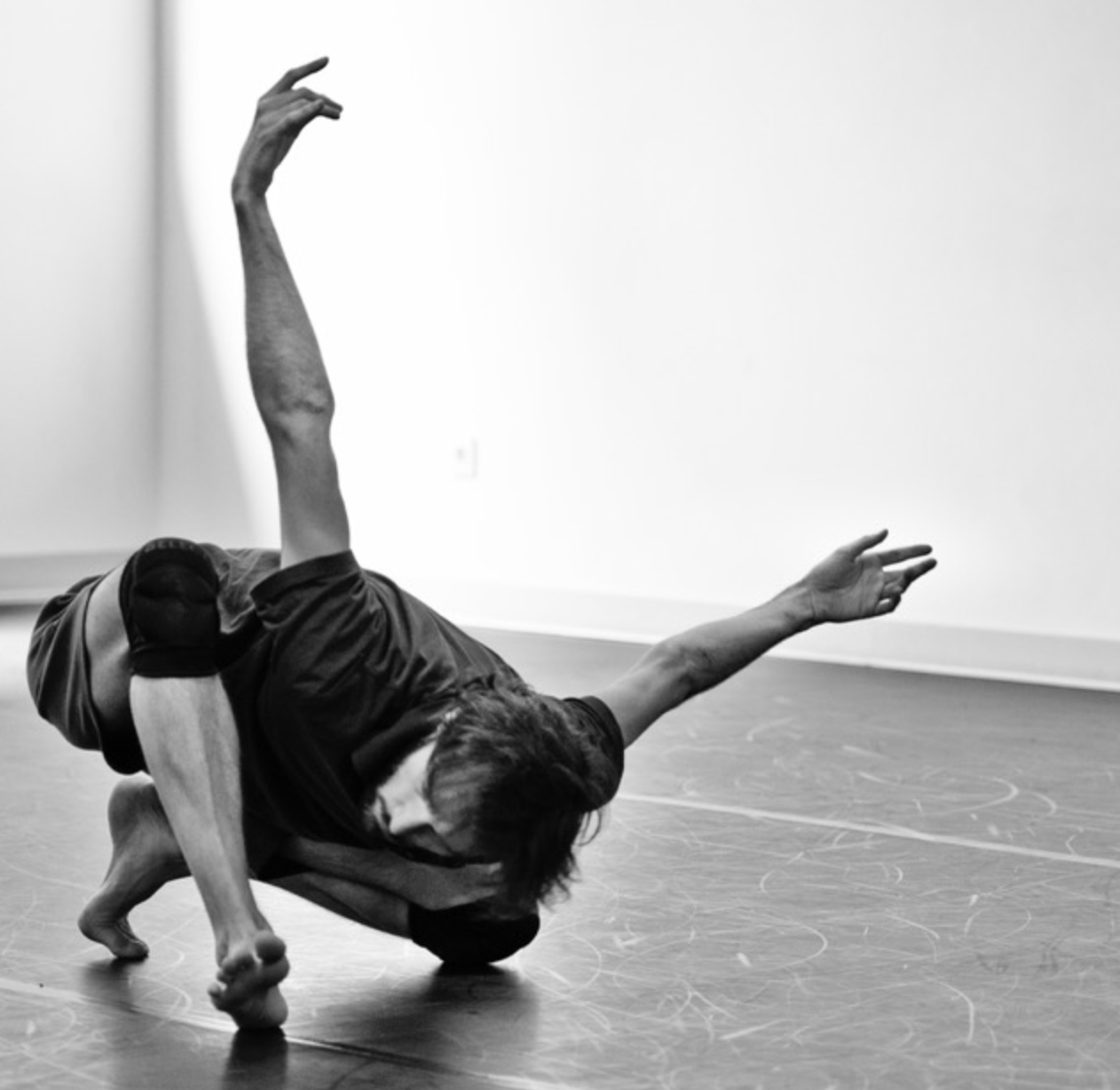
ATELIER
Atelier is my pedagogical proposal, rooted in my career as a dancer and creator. It honors the studio as a space for experimentation, where technique becomes craft and identity is shaped. I observe that new generations relate differently to movement and body. My passion is to deepen perception and translate it physically—alone and with others. I’ve gathered knowledge from artists like Pina Bausch, Malou Airaudo, Cristiane Boullosa, Dominique Mercy, Francesc Bravo and Sidi Larbi Cherkaoui, and now aim to share these experiences. My practice connects Western techniques with a global, evolving pedagogy. It combines technique, composition, and improvisation. Influenced by the Jooss-Leeder method, I emphasize breath, repetition, and directional forces. Through movement research, writing, and play, dancers connect with their creative identity, develop autonomy, and explore both individual and collective transformation.
-
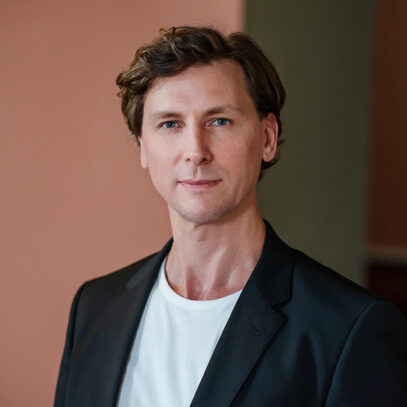
B.A. Workshop Rémy Fichet
Uwe Scholz’s choreographic work is characterized by an exceptionally precise and sensitive musicality, which has always been the foundation and primary inspiration of his artistic process. In this workshop, we will explore selected excerpts from his repertoire to examine how classical technique can be further developed, refined, and challenged in close conjunction with musical principles.
We will explore how musical structure shapes dance phrasing and how the precise execution of the choreography creates a framework within which dancers can develop their individual artistic freedom. The workshop combines technical skill with artistic interpretation and offers insights into the unique working methods of Uwe Scholz, whose artistic legacy continues to be influential today. -
Dov’è la Luna – pas de Deux
The Princess Grace Dance Academy Monaco
Choreography: Jean-Christophe Maillot
Rehearsal Director: Roland Vogel
Dance: Kadelle Smith, M. Dillon Brizic
Music: Alexander Skrjabin, Prelude Op.16 N° 4, Prelude Op.13 N°2, Prelude Op.9 N°1, Prelude Op.11 N°5 Pianist: Hervé BillautCreated in 1994, Dov’e la luna is the first ballet of a trilogy through which Jean-Christophe Maillot pays tribute to his father, a painter who died too soon (followed by Vers un pays sage in 1995 and Back on track 61 in 2021). Dov’è la luna is the most crepuscular of the three ballets. He draws on mythologies where the moon is a place of passage between life and death, a place where a second birth is in preparation.
“I was on a friend’s boat. The current of memory mingled with that of oblivion and I did not know which of the two would carry me away. Was I, the orphan, going to be lost offshore or swim to other shores? But a Friend put her hand on my trouble. She illuminated it differently, with finesse and restraint. The moon then chased bad thoughts and a planet appeared to me.”
-
Dead Slow Ahead
Zentrum für Zeitgenössischen Tanz Köln
Concept/Choreography: Annamari Keskinen, Ryan Mason / Thar Be Dragons
Rehearsal Director: Wencke Kriemer de Matos, Vera Sander
Dance: Maria Arenas Romero, Clara Böhm, Paula Castelli, Nadine Kribbe, Lena Luise Röthlisberger, Jona Schlotbohm, Wai Kin WongDead Slow Ahead is a choreographic inquiry into slowness, titled after the nautical command to move at the minimum speed that still holds a course. It treats the body as a measure of time—carried, stretched, sensed—set against a culture of acceleration and overexposure. The work asks what becomes legible when pace is reduced: how attention thickens, how duration shifts perception, how care might be practiced without haste. Clear in intention yet open in form, Dead Slow Ahead proposes slowness not as retreat but as a way of steering.
-
Embryo
Rambert School of Ballet and Contemporary Dance London
Choreography, Dance: Sara Bartolli, Vittoria Pennacchini
Rehearsal Director: Dancers rehearse themselves, plus Arran Green
Music: Lookout – Dividing, Eric Setterlund (Mystery Circles); Assam’s Children, TSVITwo primitive beings discover a portal leading to the modern human world. Fascinated, they reveal their origins — a realm shaped by Earth’s primal energy and expressed through gesture. Humanity witnesses the first spark of life: “Embryo.”
-
Pas de deux from “Flower Festival in Genzano”
The Royal Danish Ballet School Kopenhagen
Choreography: August Bournonville
Rehearsal Director: Henriette Muus
Dance: Diego Góza, Hannah Vorm
Music: Flower Festival in Genzano: Pas de deuxThe Flower Festival in Genzano (Danish: Blomsterfesten i Genzano) is a one-act ballet by Danish choreographer and ballet master August Bournonville (1805–1879). Created for Denmark’s Royal Ballet and premiered on December 19, 1858, at the Royal Danish Theatre, it is regarded as one of Bournonville’s finest works. The ballet marks a transition toward naturalism and stands as a masterpiece of his distinctive virtuosity. It remains a quintessential example of the Danish style, celebrated for its musicality, elegance, and precise footwork.
-
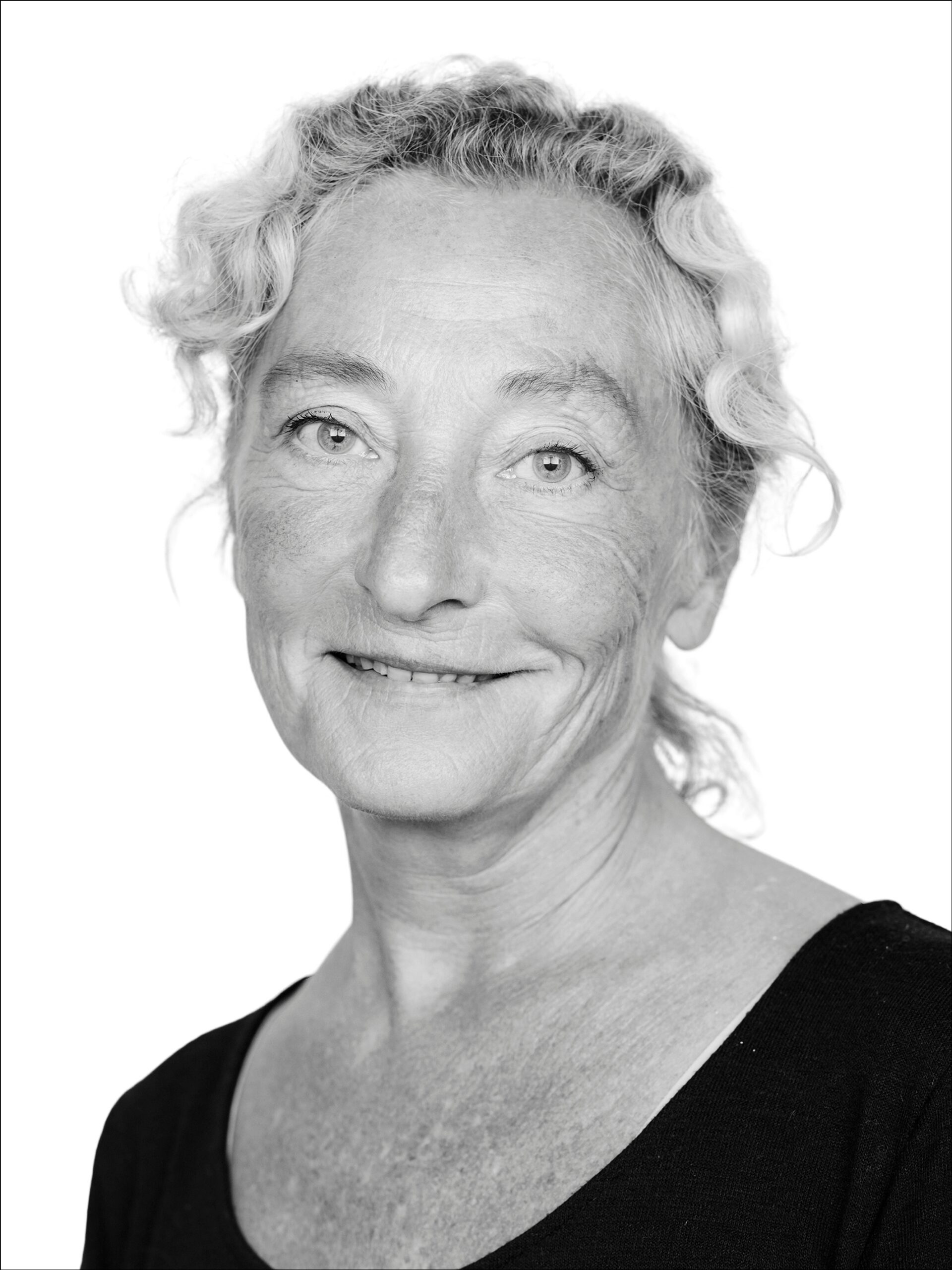
Henriette Muus
Henriette Muus (born 1966) trained at the Royal Danish Ballet School and joined the Royal Danish Ballet in 1982, becoming a principal dancer in 1991. Renowned for her refined classical style and deep grasp of the Bournonville tradition, she danced leading roles such as Svanilda in Coppélia, the Sylph in La Sylphide, Julie in Cranko’s Romeo and Juliet, and Balanchine’s Symphony in C. She also guested with the Royal Swedish Ballet as Helena in Neumeier’s A Midsummer Night’s Dream and toured worldwide with Bournonville ensembles. Since retiring in 1998, she has directed ballet schools and worked as a respected Bournonville coach and pedagogue.
-
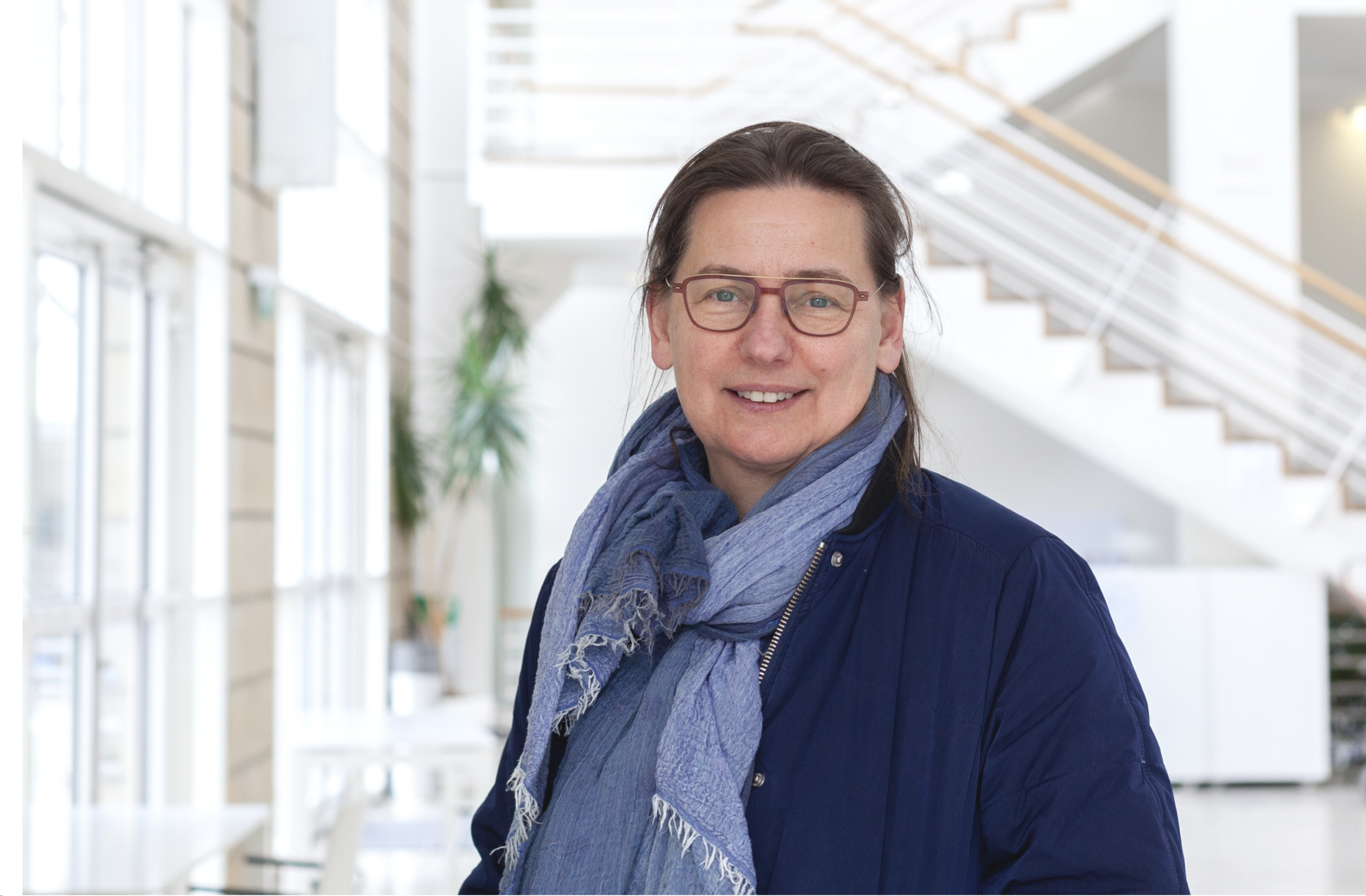
Susanne Triebel
Susanne Triebel is lecturer and coordinator of the internationally oriented MA Contemporary Dance Education (MA CoDE) and teaches BAdance students at HfMDK Frankfurt. Before completing her MA in Contemporary Dance Education in 2009, she danced for several years at city and state theaters and in the freelance scene. Since 2012, she has supervised teaching projects and demonstration lessons for master students MA CoDE. In the expert commission Body and Movement she is responsible for the content of the interdisciplinary formats of THE ARTIST’S BODY and advocates for the implementation of movement in artistic education. From 2020 to 2022 she was head speaker of the AK|T Dance Education Conference Germany and on the curatorial team of the 8th Dance Education Biennale Stuttgart 2022.
-
“Merfolx & Zombies & Trons, Oh My!”
Hochschulübergreifendes Zentrum Tanz Berlin / HZTChoreography: Justin Kennedy
Rehearsal Director: Justin Kennedy
Dance: Bence Ungvari, Konstantin Wloch, Noah Rees, Ton Bogataj, Ana Liborio, Natalia Higuita, Francesco Corsi, Luca Schüssler, Paula Boettger, Valeria Bobke
Music: “Merfolx & Zombies & Trons, Oh My!” Guillermo E. Brown and Justin F. Kennedy“Merfolx & Zombies & Trons, Oh My!” is choreography and speculative opera exploring Apocalypse through an Afro-pessimist lens. Inspired by post-apocalyptic mutation / contagion, Merfolx is set after a fictional “End of Days” where transhumanism combusts, and hybrid beings like Merpeople, Zombies and animatrons rise to the “seeming” surface. Via metaphor, embodiment, and sensation, these multivalent archetypes evoke movement / vocal affects and eventually choreography / ritual arises. How do these figures, who have been sequestered so long, find community despite clumsiness and presupposed relational hierarchies / histories? What do zombies teach us about organizing? And what can robots show us about care?
-
Académie Princesse Grace Monaco
It was founded in 1975 in Monaco, by Princess Grace under the direction of Marika Besobrasova. In 2009, H.R.H. the Princess of Hanover appointed Luca Masala as Director, and the Academy joined the group Ballets de Monte-Carlo, directed by M. Maillot. Aged 13 to 18, the 50 students of all nationalities, live in the boarding school and follow classical training as well as contemporary and composition classes, physical preparation, music, history of dance, nutrition workshops, language classes and academic studies. This education of excellence enabling them to join leading international dance companies. A dedicated team ensure comprehensive support, individual health monitoring and promotes the artistic and personal growth of each student.
-
The Royal Danish Ballet School Copenhagen
The Royal Danish Theatre’s Ballet School in Copenhagen, founded in 1771, is one of the world’s oldest ballet schools and the cradle of the renowned Bournonville tradition. It offers an elite, fully integrated education where academic studies and professional ballet training go hand in hand. Students aged 5–19 develop artistic excellence, discipline, and creativity while performing on stage with The Royal Danish Ballet. The school’s unique environment nurtures the next generation of dancers, balancing classical heritage with contemporary artistry.
-
The Royal Ballet School London
The Royal Ballet School is the world’s most celebrated centre for classical ballet training. For generations, the School has produced dancers and choreographers of international renown: Margot Fonteyn, Kenneth MacMillan, Darcey Bussell, Marianela Nuñez, and Christopher Wheeldon. Graduates of the School go on to professional careers with The Royal Ballet, Birmingham Royal Ballet, and other leading companies worldwide. Admission to the School is based purely on talent and potential, regardless of personal circumstances. The School will celebrate 100 years in 2026, with a legacy built on excellence, and a future focused on expanding opportunity and access to shape the next century of classical ballet.
-
Rambert School of Ballet and Contemporary Dance London
The Foundation (FD) and Bachelor of Arts (BA) (Hons) Degree programmes at Rambert school are designed to develop dancers using highly tuned dance training by a wide, experienced and varied faculty, all prominent in their specialism. Arguably the equal emphasis upon training in these two genres is unique within the UK, and the curriculum is enriched by inputs from guest artists and choreographers from the profession. Daily classes in Ballet, pointe work, classical partnering work, coaching, learning performance and classical ballet repertoire. Contemporary classes range from teaching of foundational techniques such as those pioneered by Martha Graham and Merce Cunningham, through release-based styles and newer techniques such as Gaga. Students also study improvisation on a weekly basis.
-
École supérieure de danse de Cannes Rosella Hightower
The Pôle National Supérieur de Danse Rosella Hightower is one of six French Ministry of Culture–accredited higher dance institutions. It trains dancers in classical and contemporary disciplines and awards the National Advanced Professional Diploma in Dance through initial training, apprenticeships, or validation of prior experience. In their final year, students may join the Cannes Jeune Ballet Rosella Hightower to gain stage experience, engaging with the realities of a professional career through a repertoire blending classical masterpieces, contemporary creations, and works by renowned choreographers.
-
Ausbildungskonferenz Tanz (AK|T)
The Ausbildungskonferenz Tanz (AK|T) was founded in 2006 by the representatives of all federal dance training institutions in Germany. It is understood to be a consortium and national representation of interests with the goal of strengthening professional dance training in Germany (BA, MA / diploma / stage readiness test). The AK|T actively participates in the discussions about the current educational field in dance, through
_ representing the mutual interests of our member institution as a national body
_ the intensification of cooperation and concurrent elevation of the profile of the individual dance education institutions
_ networking with the international partners.The most important mutual project of the AK|T is the dance education biennale, which has occurred regularly since 2008, at various locations, as a national forum for the exchange and contact between students and teachers. Since 2012, the dance education biennale is financed by the Federal Ministry for Education and Research as a national platform to promote the next generation of dancers.
The initiative for the merging of the dance institutions was instigated by Tanzplan Deutschland. Through countless meetings between teachers and students, both in practical cooperation and theoretical exchange, for the Bologna process, the conversion of study programs into bachelor and master programs and many other topics, a solid basis was created for the future work of the AK|T following the end of Tanzplan Deutschland.
-
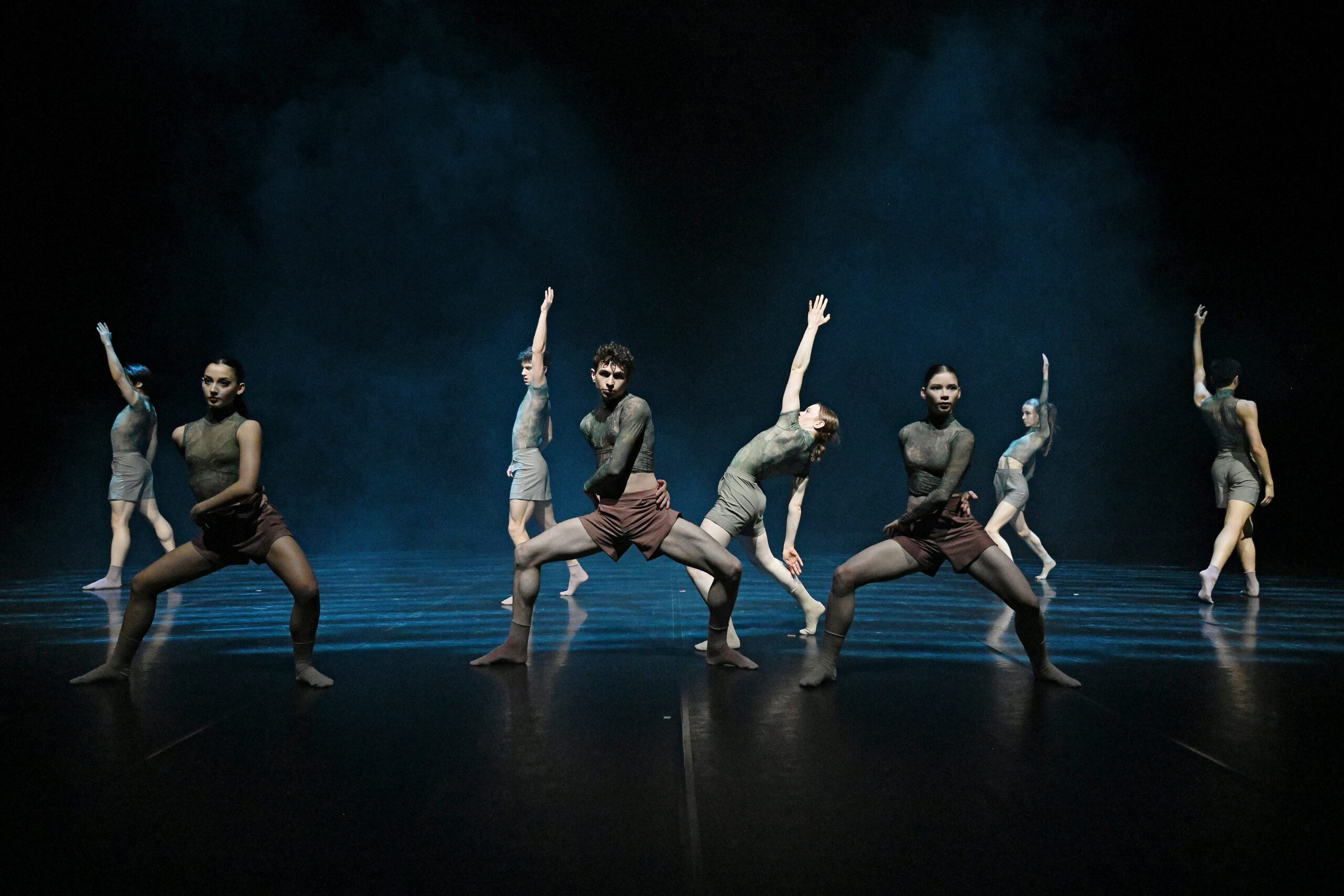
Staatliche Hochschule für Musik und Darstellende Kunst Mannheim / Akademie des Tanzes
The Academy of Dance is one of the most traditional training institutions for dancers in Germany, with roots in the Mannheim Ballet of the 18th century. Its foundation is classical ballet, complemented by contemporary techniques, improvisation, and subjects such as dance medicine, physiotherapy, and Pilates. The program supports individual development and emphasizes both artistic and health development. It offers a Bachelor’s degree in Dance (classical/contemporary, with stage experience at the Karlsruhe State Theater, among others), a Bachelor’s degree in Dance Pedagogy with a focus on classical ballet methodology, and Master’s programs in Dance and Dance Pedagogy for professional dancers.
The goal is to prepare students for a successful artistic or teaching career. -
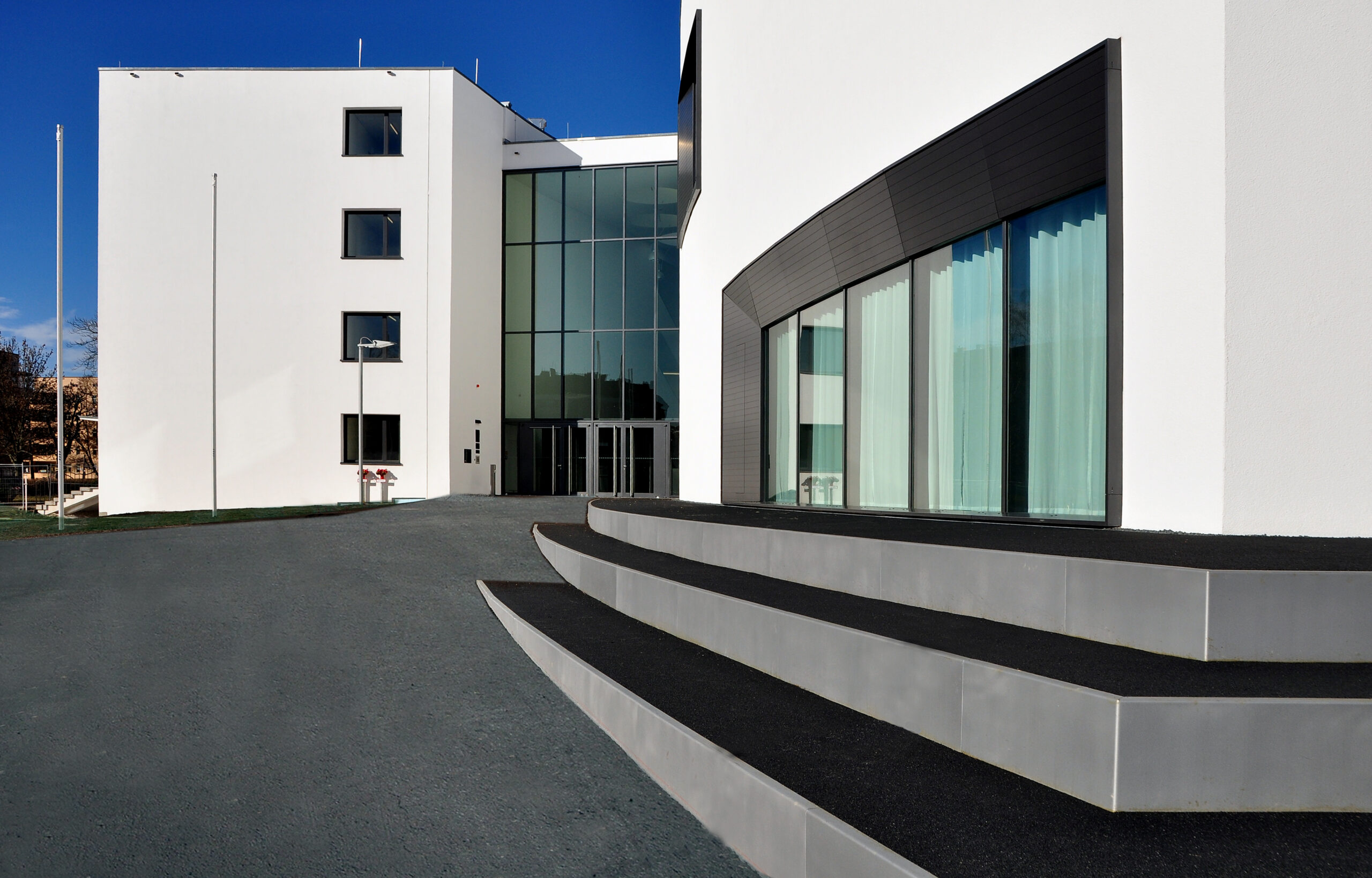
Staatliche Ballettschule Berlin
The Berlin State Ballet School combines professional dance education with academic education under one roof. As a state-run dance institution students and teachers from numerous nations meet here to further perfect the global language of dance on a daily basis, thus achieving technical virtuosity, artistic depth, and performing maturity. A pedagogical concept that successfully integrates artistic and practical subjects with general education subjects enables dual qualification from fifth grade through to vocational high school. Our students graduate as “state-certified stage dancers.” 90% of our graduates make the transition to theater or a company.
-
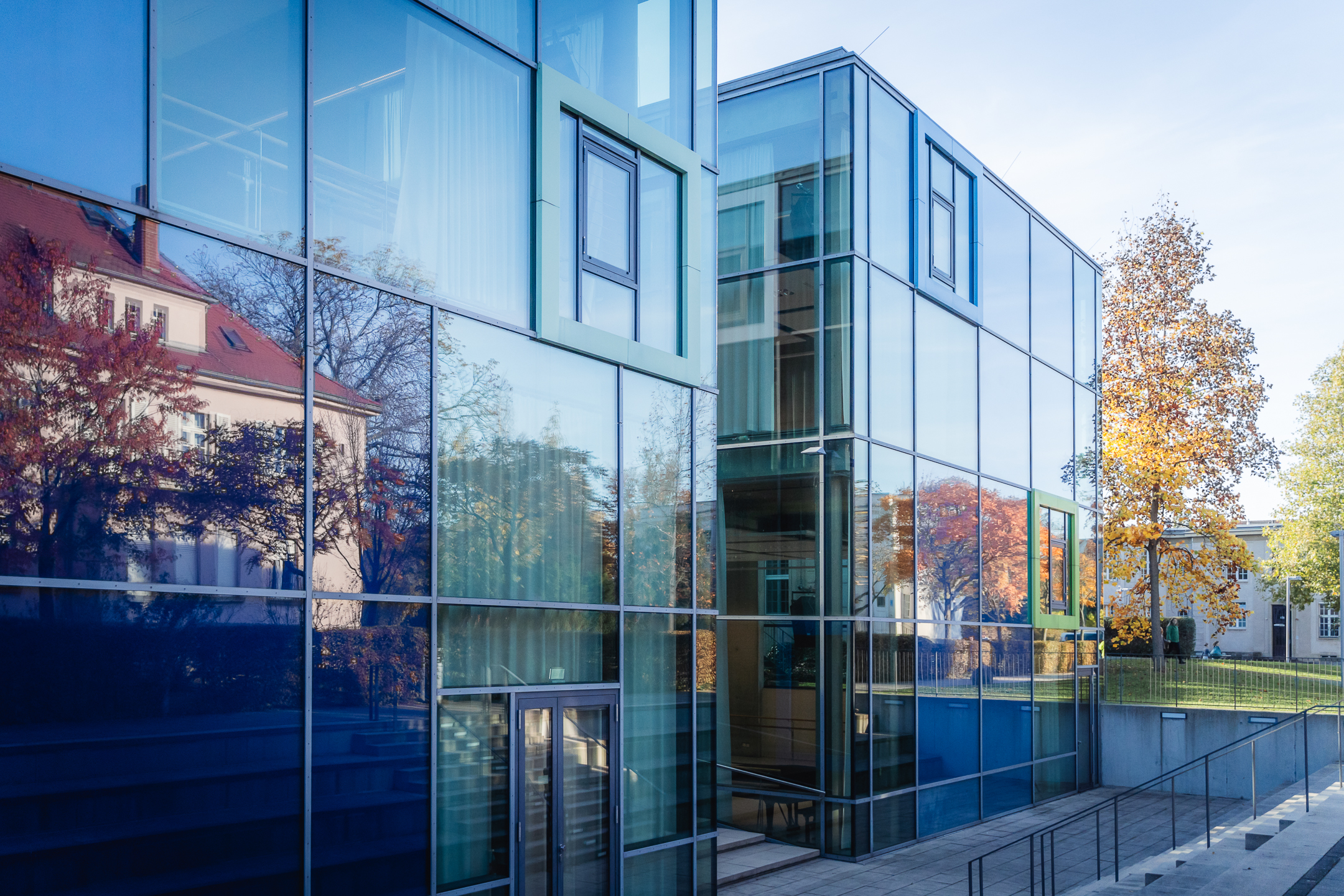
Palucca Hochschule für Tanz Dresden
Founded by Palucca, the individual remains at the heart of our 100-year-old institution to this day. The artistic development and the individual abilities and skills of each student are the guiding principles of
our training programs. Our curricula and syllabi are based on the three pillars of classical dance, contemporary/modern dance, and improvisation. The aim is to overcome the traditional boundaries between different dance genres and techniques and to find a common approach. Through the close connection between theory and practice, students are encouraged to develop into independent and creative personalities who understand and apply the methods and techniques they have learned as the key to artistic freedom. -
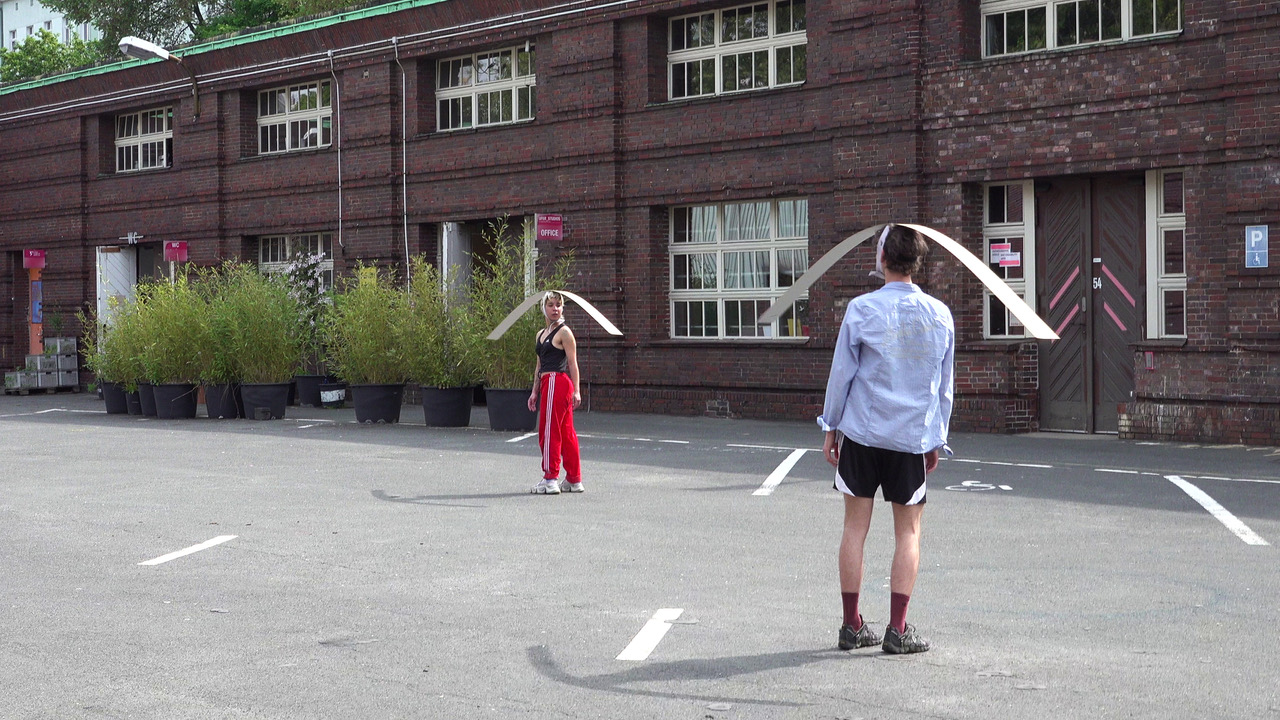
Hochschulübergreifendes Zentrum Tanz Berlin
The Inter-University Centre for Dance Berlin (HZT) is a locally and internationally oriented study and research centre for creative and critical engagement with dance, choreography, body-based practices and performance.
The HZT offers three degree programmes: the Bachelor’s programme in Dance, Context, Choreography and the two Master’s programmes in Choreography (maC) and Solo/Dance/Authorship (MA SODA).
From 2023 to 2028, the internationally renowned artist who identifies as disabled, Scottish choreographer, performer and singer Claire Cunningham will be Einstein Professor for Choreography, Dance and Disability Arts at HZT Berlin. -
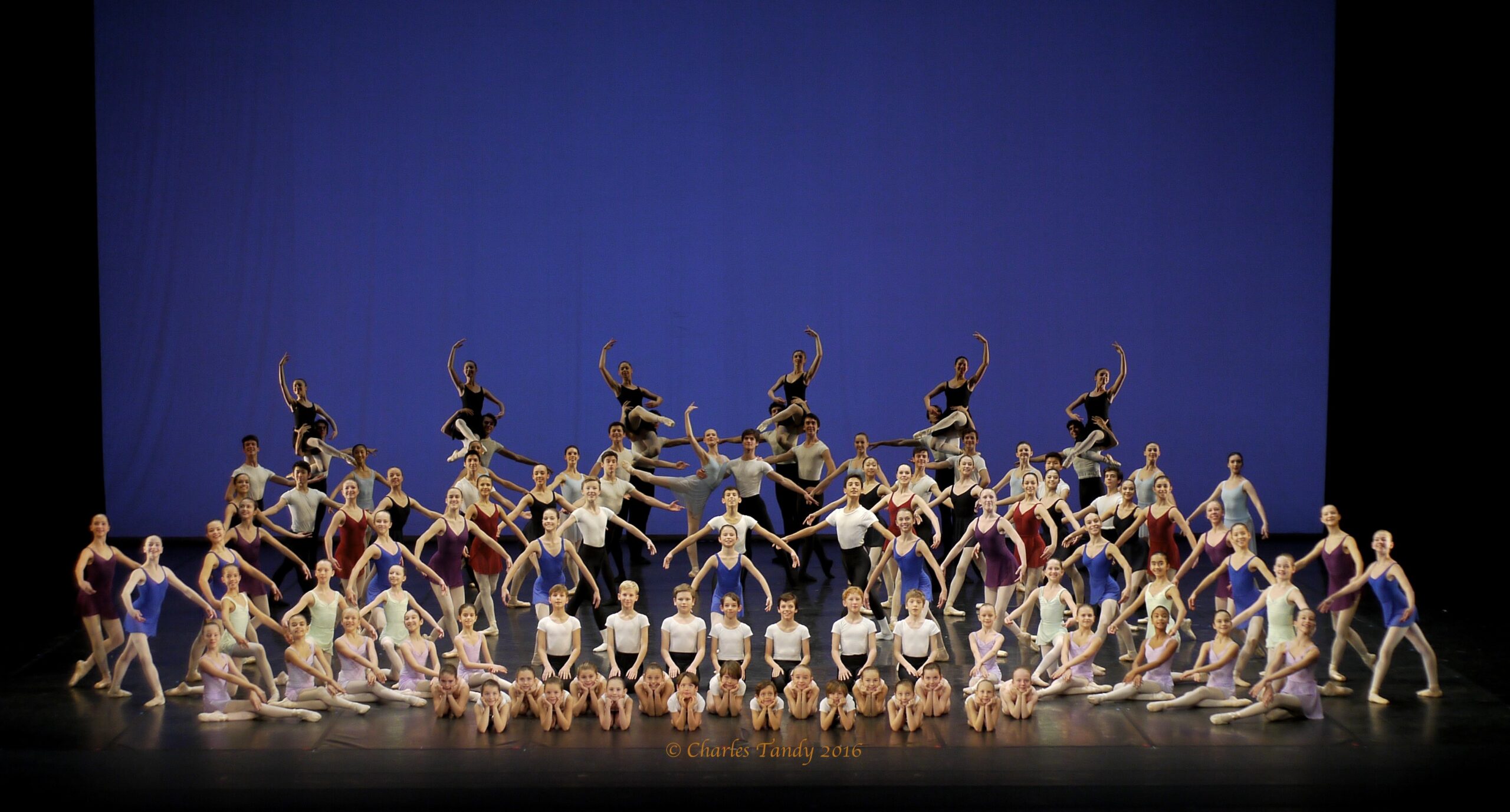
Hochschule für Musik und Theater München, Ballett-Akademie
The Ballet Academy of the University of Music and Performing Arts Munich (HMTM), founded in 1995 by Konstanze Vernon and directed by Prof. Jan Broeckx since 2010, is the only state-run training institution
for stage dance in Bavaria. Around 40-50 students in the Bachelor’s program in Dance and about 70 young students are trained in the Vaganova method as well as in national dance, contemporary dance, choreography, dance history, and dance medicine. Since 2020, a holistic educational concept has shaped the Academy’s work. Together with the Bavarian State Ballet and the Heinz Bosl Foundation, the Academy runs the Bavarian Junior Ballet Munich as a bridge to a professional company. -
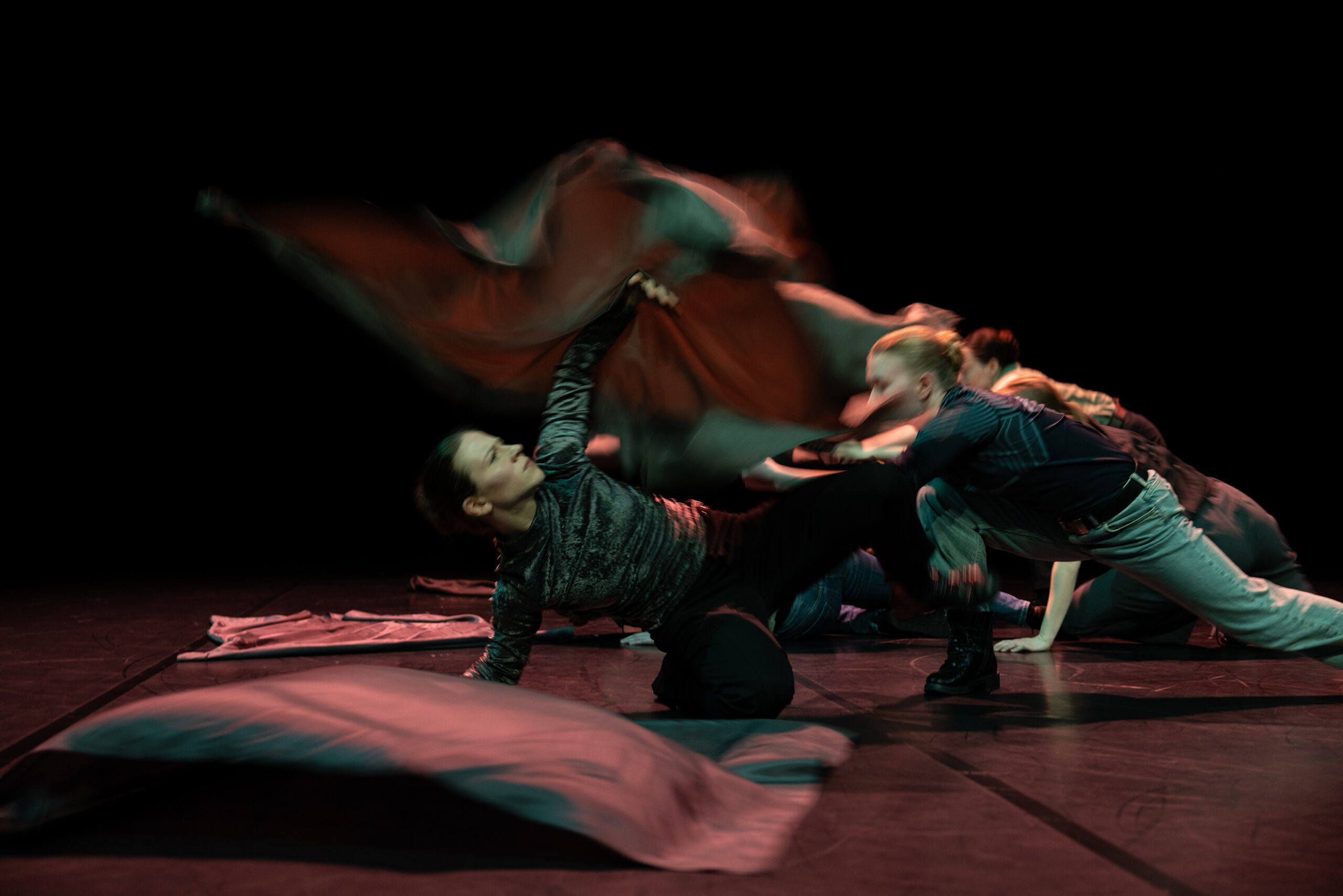
Hochschule für Musik und Tanz Köln, Zentrum für Zeitgenössischen Tanz
The Centre for Contemporary Dance at the University for Music and Dance Cologne forms an important hub for dance and dance research within the contemporary dance landscape. The three degree programs BA Dance, MA Dance Education and MA Dance Studies convey practices and perspectives of performative dance art, dance education and dance studies. This constellation, unique in Germany, forms an inspiring, artistic-practical as well as research-oriented study environment, in which interdisciplinary work and experimentation takes place. Through regional, national and international collaborations, CCD offers students active connections to a diverse professional field and promotes ongoing professionalisation, internationalisation and interdisciplinary exchange.
-
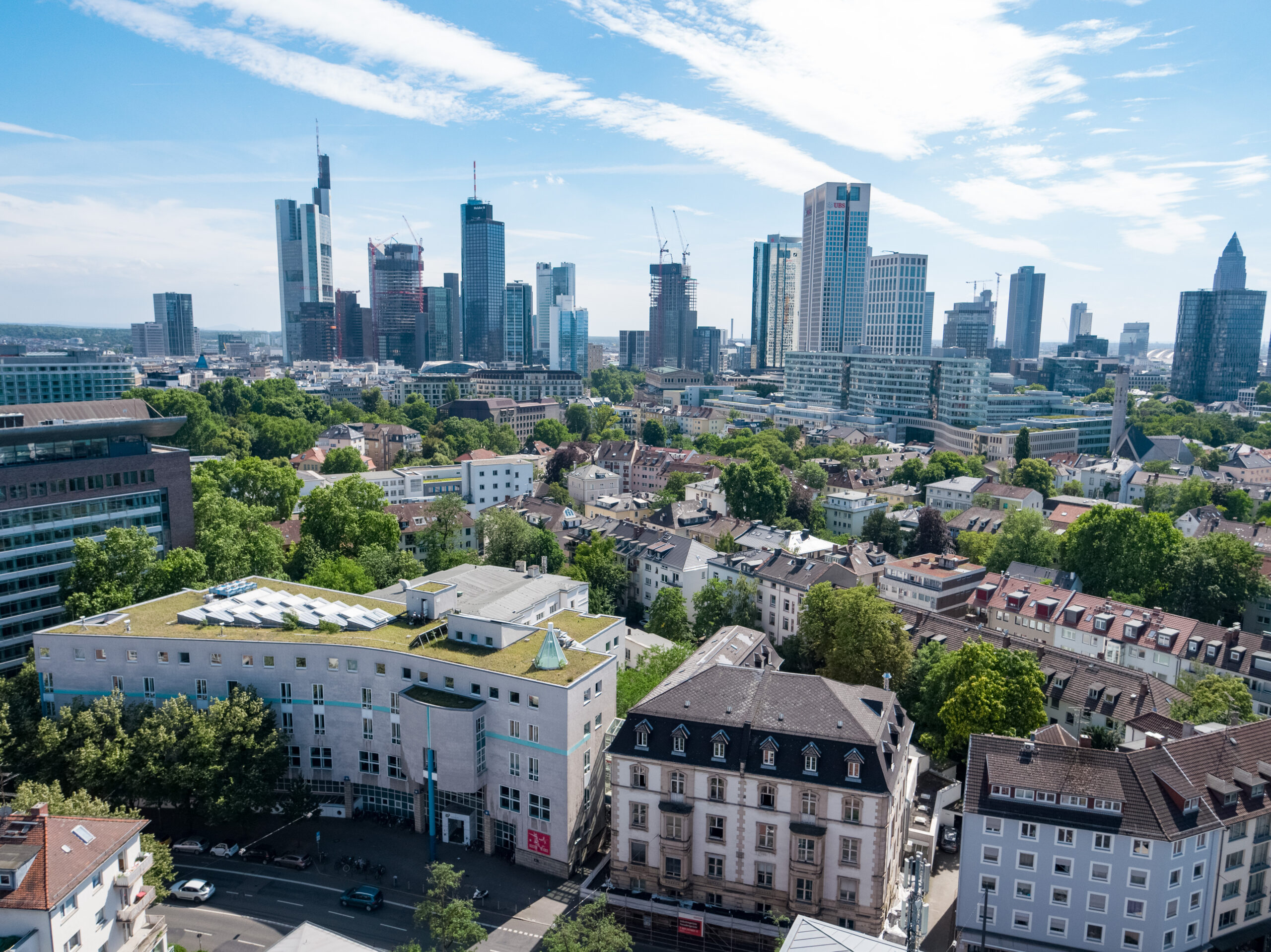
Hochschule für Musik und Darstellende Kunst Frankfurt am Main
The objective of BAdance at the Frankfurt University for Music and Performing Arts is the education and individual advancement of creative, expressive dance personalities who possess a broad spectrum of knowledge in both ballet techniques and the contemporary field and can implement their qualities in a confident, self-assured way. They have developed skills to support artistic work processes and are able to reflect on themselves and the art form of dance in an interdisciplinary, historical, and societal context and use this knowledge creatively.
-
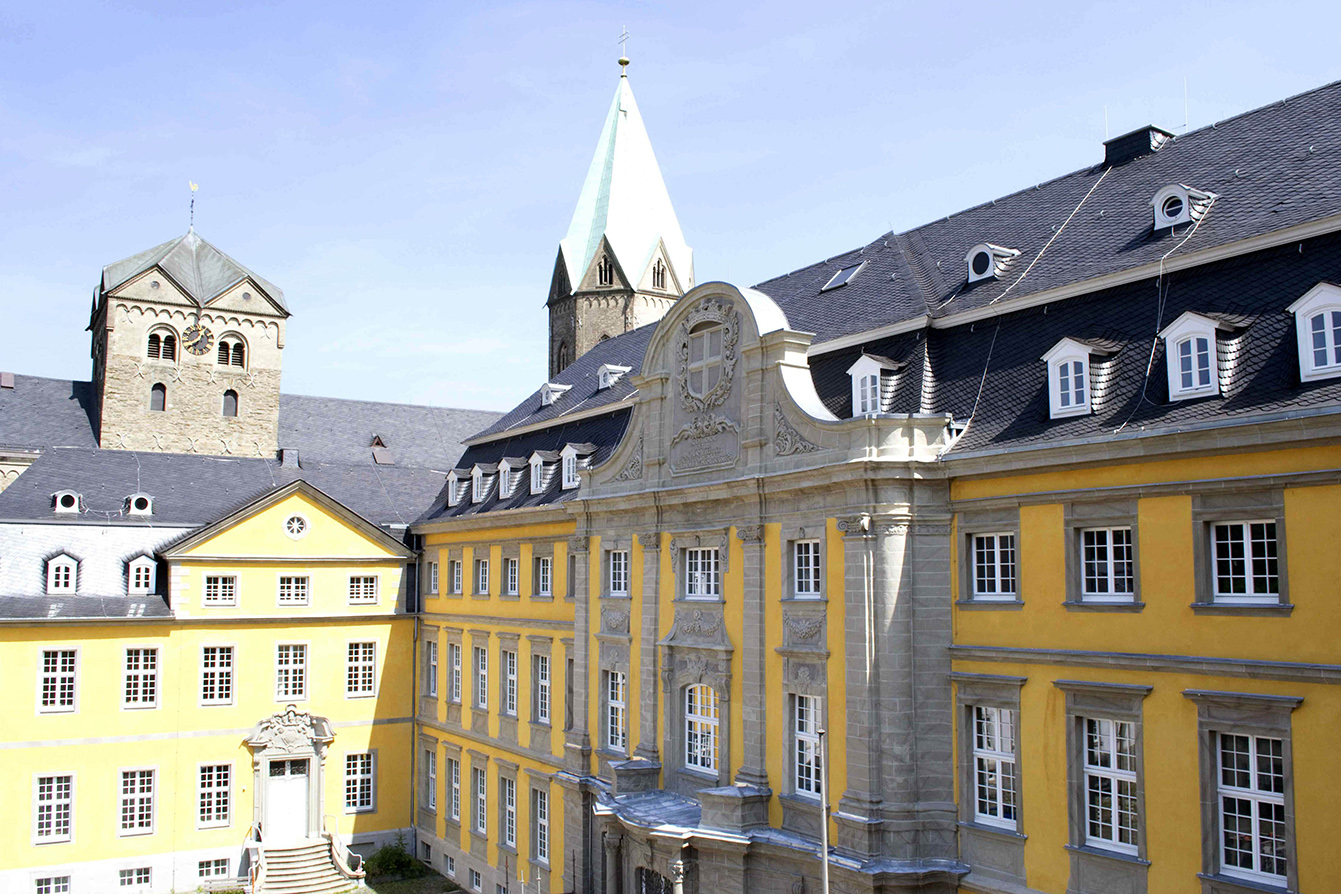
Folkwang Universität der Künste Essen
The Folkwang University of the Arts is the central and only educational institution in North Rhine-Westphalia for music, theater, dance, design, and science. Since 1927, in accordance with the Folkwang idea of interdisciplinary collaboration between the arts, a wide variety of art forms and disciplines have been united under one roof.
International dancers have been trained at the Folkwang University of the Arts since 1927. Many important figures are associated with this university, including world-famous personalities such as Folkwang co-founder Kurt Jooss and his student Pina Bausch. Folkwang dance training is interdisciplinary, tradition-conscious, versatile, and open-minded. -

Ballettschule des Hamburg Ballett
The School of the Hamburg Ballet, founded by John Neumeier in 1978, is one of the leading schools for a professional dance education in Europe and is committed to developing young, creative artists. The syllabus aims to prepare students for the versatile requirements of the current dance world. Based on the classical ballet technique, including pointe, pas de deux, classical and contemporary variations, and the study of John Neumeier repertoire, modern dance and choreographic composition are also integral to the program. The training is supplemented by character dance, Pilates and strengthening classes, as well as theory lessons. This visionary dance education is aimed towards developing artists, while preparing students for work in a professional company, either in Germany or abroad. -
APP FOR PUBLIC TRANSPORTATION
-
WEBPAGES
OFFICIAL WEBPAGES
https://biennale-tanzausbildung.de
https://www.ausbildungskonferenz-tanz.de/de/home/
https://www.instagram.com/biennale_tanzausbildung
https://www.facebook.com/BiennaleTanzausbildung.officialHELPFUL WEBPAGES FOR SIGHTSEEING, BARS/CLUBS/COOL PLACES
https://www.iheartberlin.de
https://www.the-berliner.com
https://www.walk-this-way.net
https://mitvergnuegen.com
https://www.siegessaeule.de
https://missy-magazine.de -
LOCATIONS
1_ Staatliche Ballettschule Berlin Erich-Weinert-Straße 103, 10409 Berlin
2_ Theater an der Parkaue – Junges Staatstheater Berlin Parkaue 29, 10367 Berlin
3_ Humboldt Forum im Berliner Schloss, Schloßplatz, 10178 Berlin
4_ Hotel Victor’s Residenz-Hotel Berlin Mitte, Am Friedrichshain 17, 10407 Berlin
5_ Hostel for students Generator Berlin Alexanderplatz, Otto-Braun-Straße 65, 10178 Berlin
6_ Staatsoper Berlin Unter den Linden 7, Mitte, 10117 Berlin
7_Berlin Hauptbahnhof Europaplatz 1, 10557 Berlin
8_Berlin Ostbahnhof Koppenstr. 3, 10243 Berlin
-
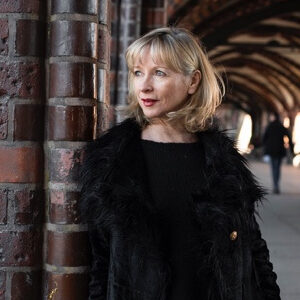
Make rules to break rules
Dieser Workshop richtet sich an fortgeschrittene Tanzstudierende, die sich auf den Berufseinstieg vorbereiten. Im Mittelpunkt stehen Fähigkeiten für selbstbewusste Teilnahme an choreografischen Prozessen sowie vertieftes Bewegungsbewusstsein und Authentizität. Zentrale Themen – Präzision, Endlosigkeit und Qualität – dienen als Werkzeuge für Kreation und Ausdruck. Durch Übungen, Improvisation und Reflexion erweitern die Teilnehmenden ihren kreativen Spielraum, hinterfragen Muster und entwickeln eine authentische, persönliche künstlerische Stimme.
-
Marguerite Donlon
Marguerite Donlon is an internationally acclaimed choreographer based in Germany. A former soloist with English National Ballet London and Staatsballett Berlin, she began her directing and choreographing career in 1999, leading the Saarland State Ballet, Ballet Hagen, and Dance Company Osnabrück. Founder of the “Donlon Dance Collective,” she is celebrated for her originality, humor, and cross-disciplinary innovation. Donlon has created over 100 works for major companies including NDT II, Stuttgart Ballet, Bolshoi, Rambert Dance, Hubbard Street, Chicago, Ballet Ireland, and BalletX Philadelphia. Her contemporary ballets like “Giselle Reloaded” and “Romeo & Juliet” earned nominations for Prix Benois de la Danse and Der Faust. Her 2023 work “Orlando” was named Austria’s “favourite ballet.” She now works internationally as a freelance choreographer.
-
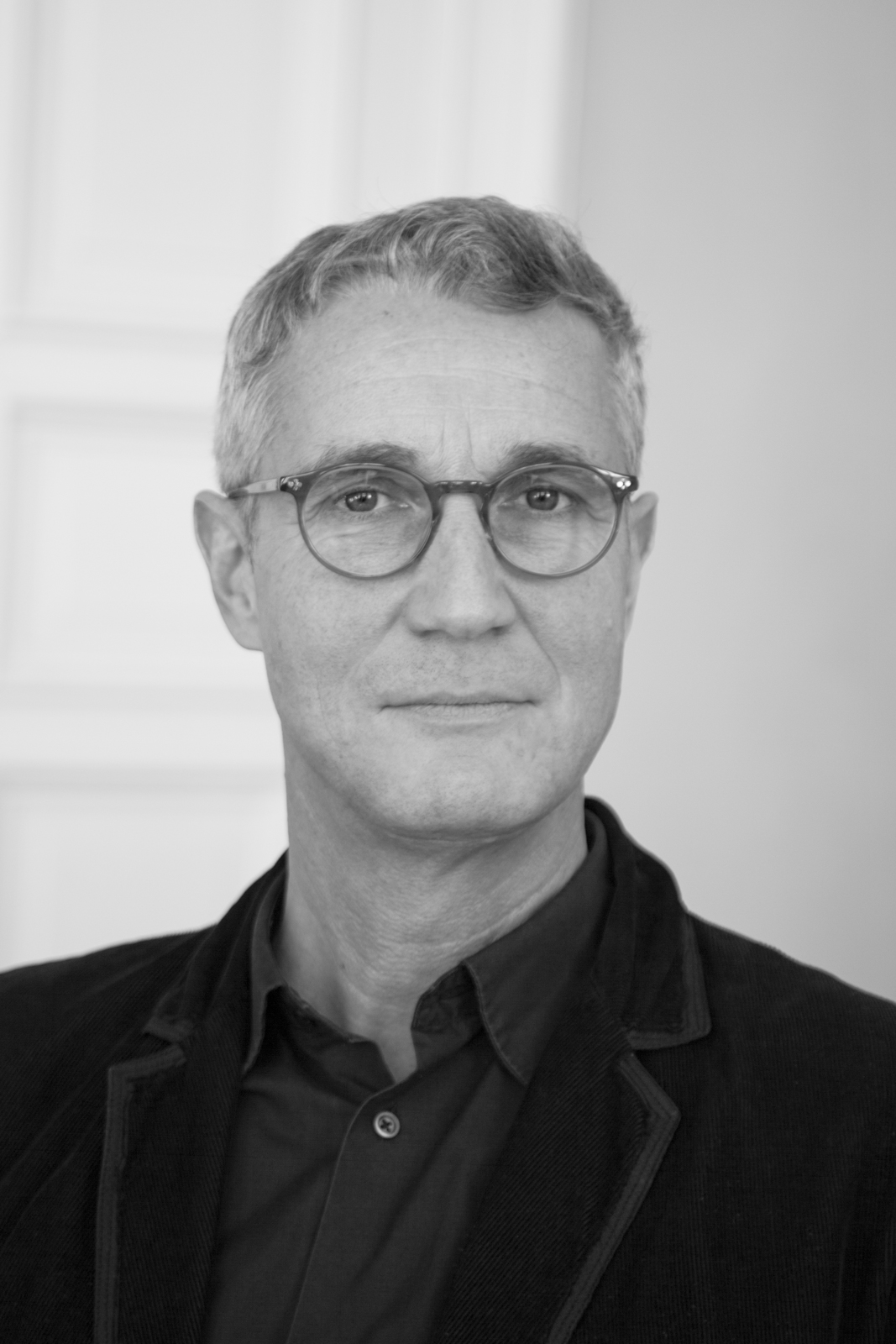
Peter Boragno
Peter Boragno is a graduate in business administration and has worked in cultural management since 1995. His clients include the Haus der Kulturen der Welt, Berlin, the Federal Cultural Foundation, the Federal Ministry of Culture and Media, the Federal Ministry of Education and Research and the Goehte Institute. From 2010 onwards he accompanied the Ausbildungskonferenz Tanz and headed the office for the Biennale Tanzausbildng. Since January 2020, he has taken over the management of the Europäische Theaterakademie GmbH “Konrad Ekhof” Hamburg and is in charge of the Bundeswettbewerb deutschsprachiger Schauspielstudierender and the Bundeswettbewerb Biennale Tanzausbildung.
-
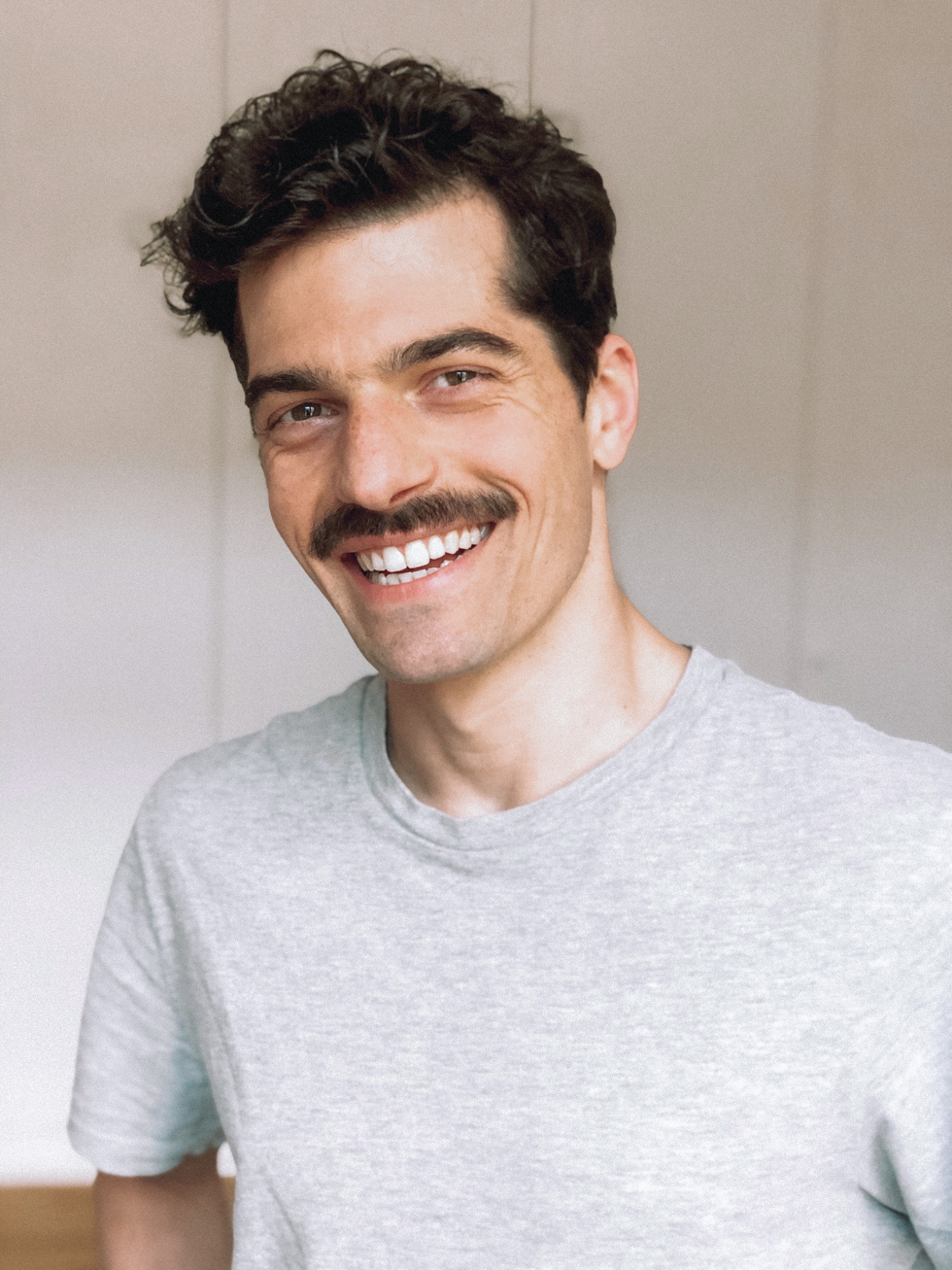
Paolo Amerio
Paolo Amerio is a Professor of Contemporary Dance and Improvisation at the Akademie des Tanzes, Staatliche Hochschule für Musik und Darstellende Kunst Mannheim. Graduated at the MTD – AHK in Amsterdam, he later joined the Dance Company Nanine Linning / Theater und Orchester Heidelberg as dancer and choreographic assistant and took part as dancer at two productions of Costa Compagnie touring in Germany and USA. To this day, he has choreographed several pieces for the ADT which have been featured at the 7. BIENNALE TANZAUSBILDUNG 2020 HAMBURG and at the DUBAI WORLD EXPO 2020.
Contemporary Training
The aim of the class is to reach a sensitive, honest, organic and free way of moving while triggering a new sense of awareness and listening towards the individual, the others and the space within and around. Through various technical exercises based on floor work, release, flying low and soft acrobatic technique, the participants will be asked to channel their concentration into the movement’s path, from its origin to its extreme end, exploring and mobilising the pelvic area while acquiring a renewed physical & mental availability and generosity.